Understanding Natural Micronutrients for Daily Vitality
An educational resource exploring the role of vitamins, minerals, and lifestyle habits in supporting everyday wellness.
Educational content only. No promises of outcomes.

An educational resource exploring the role of vitamins, minerals, and lifestyle habits in supporting everyday wellness.
Educational content only. No promises of outcomes.
Understanding the basics of daily nutrition and physical activity is essential for anyone interested in maintaining an active lifestyle. This resource explores various elements that contribute to general well-being, including natural compounds found in everyday foods and simple lifestyle adjustments.
The information presented here is purely educational and designed to help readers understand general nutritional concepts. Every individual's needs are different, and this content does not replace personalized guidance from qualified professionals.
Micronutrients are essential compounds that the body requires in small amounts. They include vitamins and minerals found naturally in various foods. These substances play numerous roles in supporting everyday bodily functions.
Common sources of micronutrients include fresh vegetables, fruits, nuts, seeds, whole grains, and lean proteins. Understanding which foods contain specific vitamins and minerals can help individuals make informed choices about their daily nutrition.
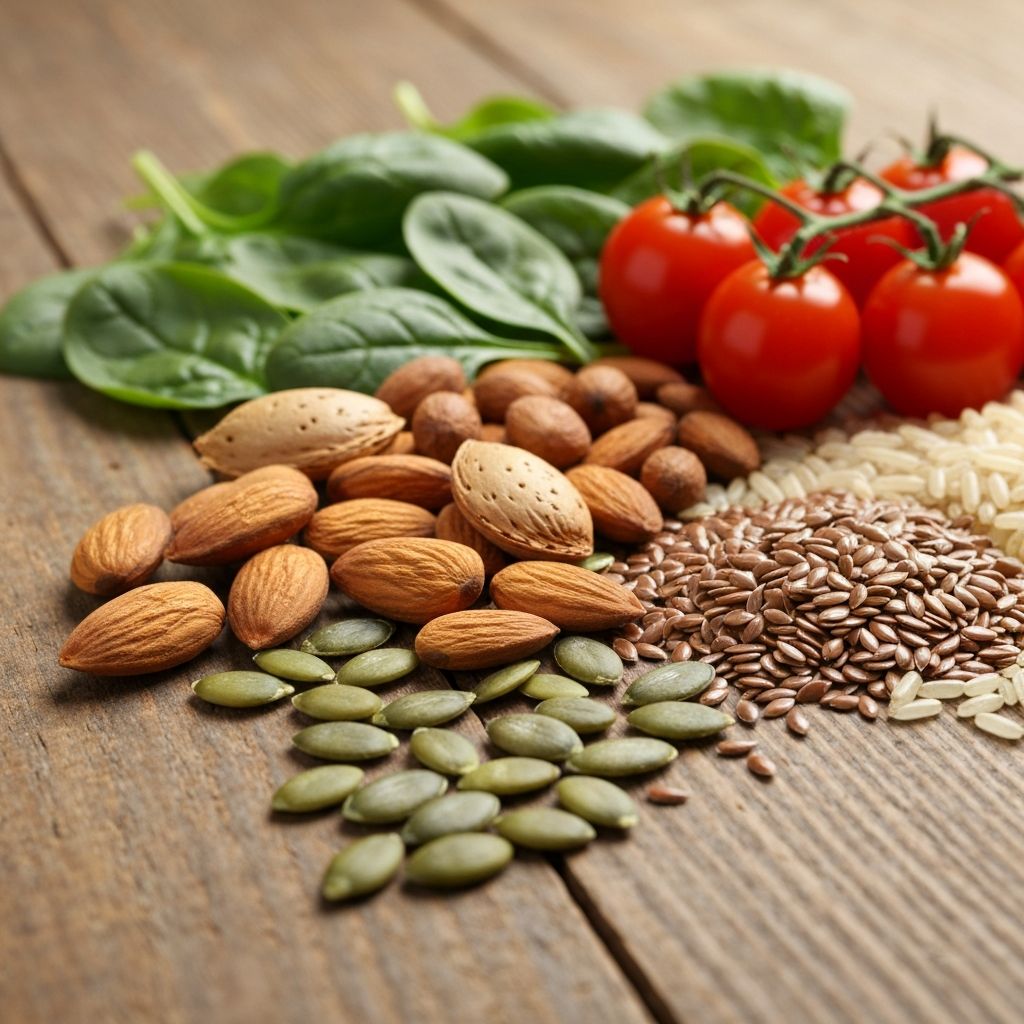
Zinc is a mineral found in various foods such as nuts, seeds, legumes, and whole grains. It is involved in numerous enzymatic processes within the body and is considered an essential nutrient that must be obtained through diet.
Foods rich in zinc include pumpkin seeds, chickpeas, cashews, and lentils. Many people incorporate these foods into their daily meals as part of a balanced eating pattern. The recommended daily intake varies depending on age, activity level, and individual circumstances.
Selenium is a trace mineral present in soil and absorbed by plants. It can be found in foods such as Brazil nuts, sunflower seeds, and certain grains. Like other minerals, selenium is part of various biological processes.
The amount of selenium in plant-based foods depends on the selenium content of the soil where they were grown. Different geographical regions have varying levels of selenium in their soil, which affects the nutritional content of locally grown produce.


Vitamin B12 is found primarily in foods of certain origins. It plays a role in various metabolic processes. Many people ensure adequate intake through fortified foods or by consulting with nutrition professionals.

The B-complex includes several vitamins such as B1, B2, B3, B5, B6, B7, and B9. Each has distinct characteristics and can be found in various foods including whole grains, legumes, and leafy greens.
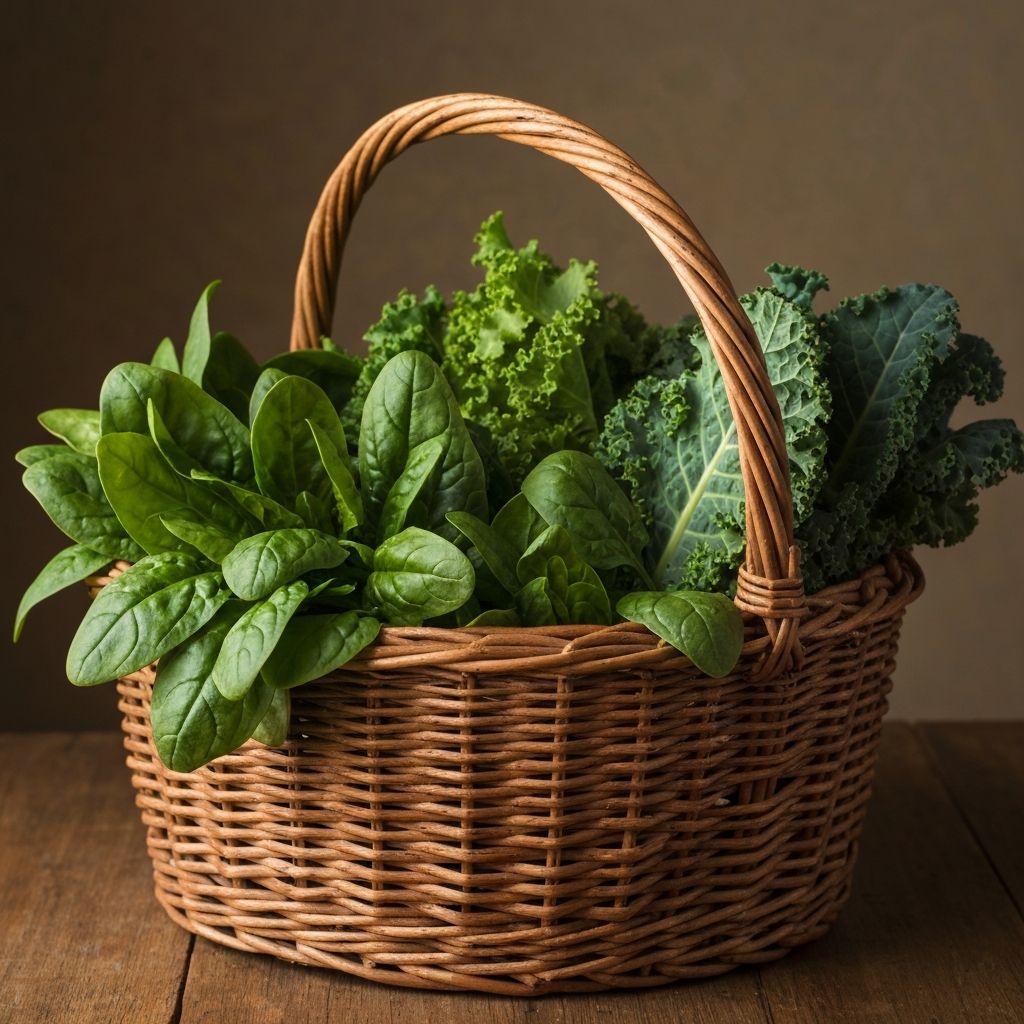
Common dietary sources of B vitamins include whole grain bread, brown rice, spinach, kale, beans, and fortified cereals. A varied diet typically provides a range of these nutrients.
A balanced eating pattern generally includes a variety of food groups: vegetables, fruits, whole grains, protein sources, and healthy fats. Nutritional needs vary based on many factors including age, activity level, and individual preferences.
Many nutrition experts suggest focusing on whole, minimally processed foods and eating a colorful variety of fruits and vegetables. Meal timing, portion sizes, and hydration are also commonly discussed aspects of daily nutrition.
It is worth noting that nutritional science continues to evolve, and recommendations may vary. Reading about general principles can provide context, but individual circumstances always differ.
Water is essential for numerous bodily functions. General guidelines often suggest consuming adequate fluids throughout the day, though specific needs vary widely based on climate, physical activity, and individual factors.
Many people use simple indicators such as thirst and urine color as rough guides for hydration status. Beverages, soups, and water-rich foods all contribute to daily fluid intake.

Morning habits can set the tone for the day. Common practices include gentle stretching, exposure to natural light, consuming a balanced breakfast, and allowing time for gradual awakening rather than rushing.
Some individuals prefer to engage in light physical activity in the morning, while others find that quiet reflection or reading works better for them. There is no single approach that suits everyone.

Spending time outdoors and engaging in physical movement is often associated with general well-being. Walking, hiking, cycling, and other outdoor activities provide opportunities for fresh air and natural light exposure.
Many people find that regular outdoor time contributes to their sense of balance and connection with nature. The intensity and duration of outdoor activities vary widely based on personal preference and fitness level.
Important Information About This Resource:
This resource offers various perspectives on nutrition and lifestyle topics. You may wish to read more about specific vitamins, minerals, or general wellness concepts.
Learn more about the informational context